Conscious Connected Breathwork in North London | 1-to-1 Sessions in East Barnet, EN4
A lot of people who come to Conscious Connected Breathwork have tried talking about what they are carrying. They have analysed it, understood it, perhaps even named it. And still it sits there.
Conscious Connected Breathwork works differently. Rather than going through the mind, it goes through the body – using a circular breathing technique to work directly with the nervous system and release stored tension and emotion at a physical level. You do not need to explain anything, understand anything, or be ready to talk. You just need to breathe.
That shift – from grey and stuck to genuinely present – is what I experienced through this practice, and it is what I help others find.
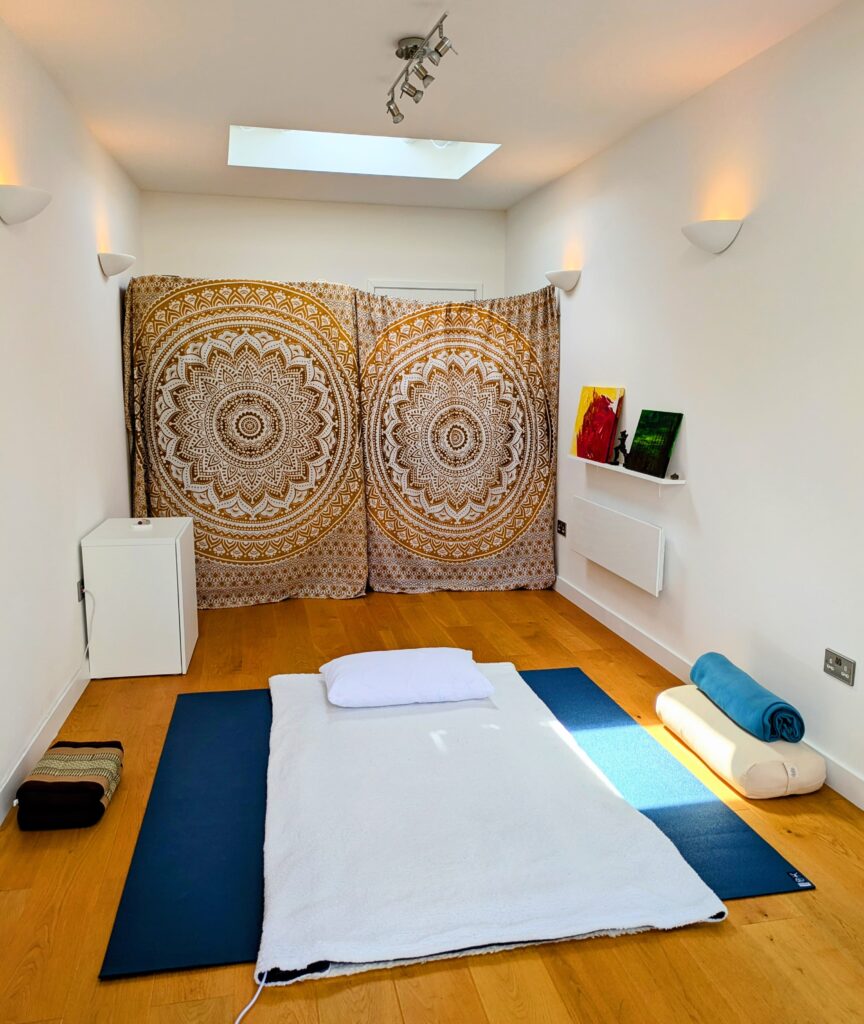
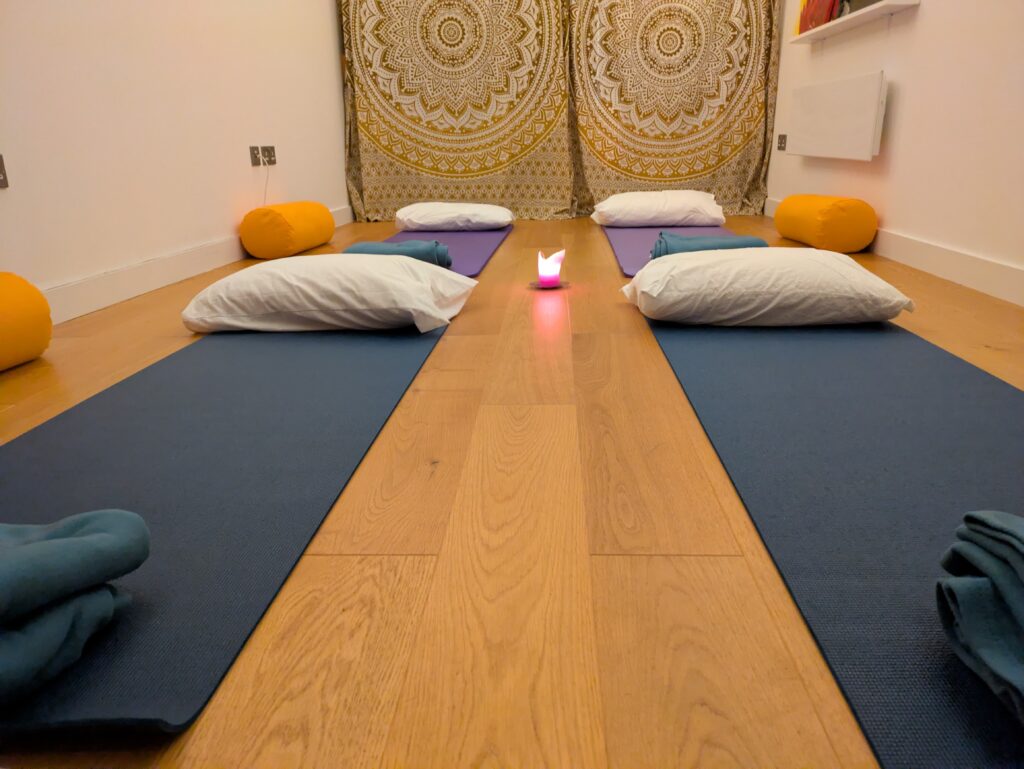
I work with people 1-to-1 in a private, soundproofed garden studio in East Barnet, North London (EN4), and online for those who prefer the comfort of their own space. Every session is tailored to where you are and held at your pace. I am a member of the UK Breathwork Association and bring both lived experience and professional training to every session.
What is Conscious Connected Breathwork?
Conscious Connected Breathwork is a somatic, body-based practice – a “bottom-up” approach that works with the body rather than through the thinking mind. The circular breathing pattern activates the body’s own capacity to process and integrate stuck emotions, recalibrate the nervous system, and dissolve physically held tension in the muscles and fascia. It is sometimes called “therapy without talking” because no conversation, analysis, or prior self-knowledge is required for it to work.
Tension is the body holding, protecting, hiding, resisting. It takes effort. A lack of tension is openness, space, movement, ease – more spare energy, and the freedom to be yourself. Conscious Connected Breathwork works directly with that holding, gradually releasing it at a somatic level without requiring you to understand where it came from.
What are the benefits of Conscious Connected Breathwork?
Each session exercises the body’s natural capacity to handle stress, gradually shifting the baseline out of sympathetic fight-or-flight mode. Reported and researched benefits include:
- Nervous system regulation – reduces baseline stress, anxiety, and panic by recalibrating the autonomic nervous system
- Increased vagal tone – improves the body’s ability to recover from stress and return to rest
- Reduced cortisol load – each session supports the body’s natural ability to clear excess cortisol
- Emotional release and integration – safely processes unfelt or suppressed emotions stored in the body
- Greater mental clarity and focus – particularly beneficial for professionals experiencing cognitive overload
- Improved resilience – gradually rebuilds capacity to handle difficult emotions and demanding situations
- Structural tension release – dissolves physically held stress in the muscles and fascia
- Sense of vibrancy and connection – many clients report returning to a fuller, more present experience of daily life
Who is Conscious Connected Breathwork suitable for?
Conscious Connected Breathwork is particularly well suited to people who:
- Feel emotionally “grey”, flat, or disconnected from their own life
- Carry a high stress or anxiety load and find it difficult to fully switch off
- Have tried talking therapies but want a body-based complement or alternative
- Are resistant to exploring feelings through conversation
- Are processing grief, burnout, or the aftermath of sustained pressure
- Want to improve their capacity for emotional resilience and nervous system regulation
The only requirement is the ability to breathe in a circular, connected pattern – something I explain fully and practically in your first session.
About Me
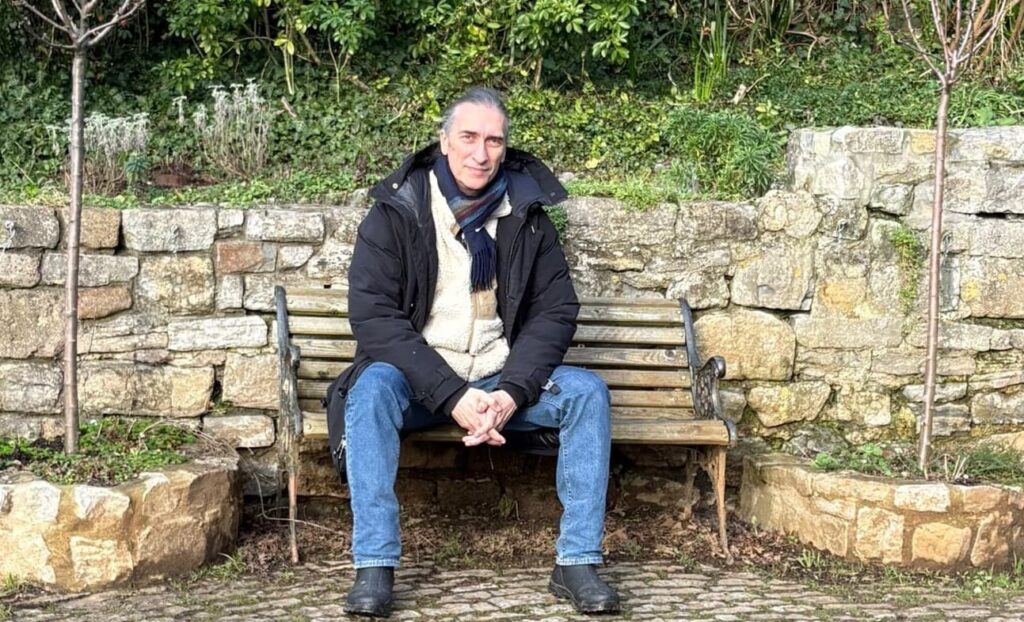
I came to Conscious Connected Breathwork through my own experience of feeling functional but flat – the kind of state where life looks fine from the outside but something essential has gone quiet. I spent over 30 years in City IT keeping everything running, and for much of that time I was managing stress by not feeling it.
Regular sessions allowed me to unpack that backlog safely and gradually. Clarity returned at work. My defensiveness dropped. I started laughing freely again and found I could actually be present for the people around me. Colour came back.
That experience is what brought me to training as a practitioner. I hold professional qualifications in Conscious Connected Breathwork, am a member of the UK Breathwork Association, and work from a trauma-informed approach.

David explained the process very clearly. I felt safe, knowing that he would hold the space for me whatever would unfold. The breathing technique came naturally, followed by a sense of deep inner peace and cleanliness. By the third session I had the sense that the breathwork had detoxed me physically and emotionally.
Dominique
UK
What happens in a 1-to-1 Conscious Connected Breathwork session?
Your first session is 90 minutes. This includes an initial conversation about your aims, a full explanation of how Conscious Connected Breathwork works, and what to expect – including the sensations you may feel during the breathing. Subsequent sessions are 60 minutes.
Each session follows this structure:
Active Breathing Phase (30 minutes)
You lie on a yoga mat with a pillow under your head, feet flat on the floor, knees raised to support full diaphragmatic breathing. The breathing is open-mouthed, with an active inhale and a passive, relaxed exhale – think of a relaxed sigh. We are essentially returning to how a baby breathes: open, unguarded, and fully relaxed.
(Note: while breathing through the nose is generally recommended for its health benefits, Conscious Connected Breathwork uses open-mouth breathing in order to move a larger volume of air with each breath. This is specific to the practice and intentional.)
As you breathe, it often becomes visible which areas of the body are holding tension and not moving freely. Safe, gentle touch (through clothes) may be used to bring awareness to these areas and guide the breath into them. Acupressure points – never intimate areas – allow gentle targeting of deeper tensions held throughout the fascia and soft tissues.
Recent research shows that pressing acupressure points triggers mechanotransduction in the fascia, turning physical pressure into biological signals that produce measurable effects in the body and brain. All touch is entirely optional and can be withdrawn at any point.
Integration Phase (10 minutes)
Following the active phase, you rest and breathe normally while the body integrates any changes. Many people report feeling deeply relaxed, more emotionally open, and reconnected to themselves. Ideas or realisations sometimes surface during this phase.
It is worth building in some quiet time afterwards – avoid scheduling difficult meetings or demanding work immediately if you can. The more integration time you allow before returning to your day, the more deeply the shift can settle.
The session brought deep somatic release and insight, and the effects continued to unfold over the days afterward. It was exactly what I needed without knowing how to get there myself.
Charlotte
London, UK
Frequently Asked Questions
Do I need to talk about my feelings or explain what I am carrying?
No. Conscious Connected Breathwork is sometimes called “therapy without talking” precisely because none of that is required. There is no expectation to discuss anything. The body processes what it is ready to process at its own pace, without any story attached.
What does a Conscious Connected Breathwork session feel like?
Experiences vary considerably from person to person and session to session. Some people notice physical sensations such as tingling or warmth. Some experience emotional release. Others feel a quiet shift – a sense of space or lightness that they struggle to put words to. In the 1-to-1 setting I work gradually and at your pace, so you are never pushed beyond what feels safe.
Is Conscious Connected Breathwork the same as meditation?
No. Meditation typically involves quieting the mind. Conscious Connected Breathwork is an active somatic practice that works directly with the nervous system and body through the breath. Many people find it more accessible than meditation because it does not require mental stillness – the breathing itself gives the mind something to follow.
Is Conscious Connected Breathwork safe?
For most people, yes. There are some conditions where Conscious Connected Breathwork is not recommended: severe asthma or respiratory conditions, heart disease or significant cardiovascular issues, epilepsy or a history of seizures, serious psychiatric conditions including psychosis or bipolar disorder, pregnancy (particularly the first trimester), and acute physical injuries.
If you have any health concerns, please mention them during the connection call before booking.
Where Are the Sessions Held?
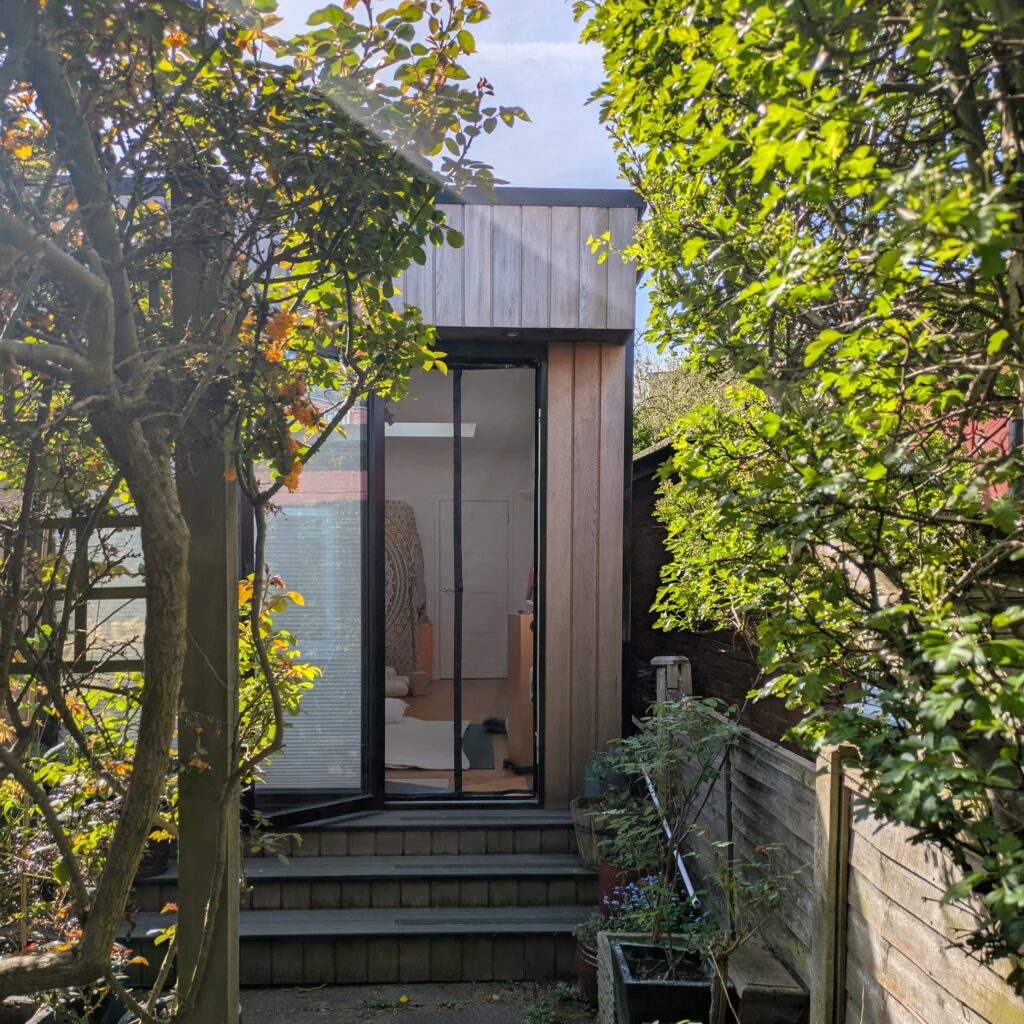
Sessions take place in a private, soundproofed garden studio in East Barnet, North London (EN4), within easy reach of Barnet, Southgate, Arnos Grove, Enfield, and Totteridge & Whetstone. Off-street parking is available, and regular bus and rail connections stop a few minutes’ walk away.
Session Prices and Packages
Note that Conscious Connected Breathwork is most effective at bringing about change when practiced in blocks, ideally weekly or fortnightly.
- Block of 6 sessions: £450 (£75 per session) – highly recommended for those new to Conscious Connected Breathwork. Includes your initial 90-minute session.
- Block of 3 sessions: £270 (£90 per session).
Note that your first session will be 90 minutes to cover goals and a full introduction to the technique and what to expect. Subsequent sessions are 60 minutes.
Online 1-to-1 sessions are also available for those who are not local, or prefer the comfort of their own home. Group workshops in London run regularly – see the website for current dates.
How to Book a Conscious Connected Breathwork Session in North London
The first step is a free connection call. This gives you the chance to ask questions, understand whether Conscious Connected Breathwork is right for you, and for me to learn what you are hoping to work on. There is no pressure or obligation. Click the link below to view available dates and reserve your session directly.
The best way to understand what Conscious Connected Breathwork can do is to experience it for yourself.