What Is Somatic Breathwork and How Is It Different?

Somatic Breathwork is a body-based breathing practice that works directly with the autonomic nervous system to release stored tension, unprocessed emotion, and deeply held stress patterns. It is distinct from breathwork practices that focus on the mind, counting, or relaxation.
The specific method I use is Conscious Connected Breathwork (CCB) – a circular, connected breathing pattern that accesses and releases stress held in the body by directly working with the body, rather than relying on the mind.
How Somatic Breathwork Changed My Life: A Practitioner’s Story
For many years I viewed my body as a machine I needed to maintain and my emotions as something I needed to keep under control. Working in technology in the City for over thirty years, I was the grounded, reliable one – the person everyone else leaned on. Internally, I was almost completely numb.
I tried everything I could find: fitness, strength training, Tai Chi, meditation, yoga, mindfulness, talk therapy, and more. With most of these practices I felt better while I was doing them, but shortly after, very little had really changed inside. Something essential was still not being addressed.
What I eventually recognised was that the fundamental ache building inside my chest was never being reached. I was living in what I now understand as functional depression – an emotionless, detached life that looked fine from the outside but had gone grey on the inside.
Somatic Breathwork was the practice that finally changed that. Not because it gave me more strategies to manage what I was carrying, but because it helped my body actually release it. After each session I felt like a massive weight had been lifted. Each time, another layer of held tension or repressed emotion was gone – and my nervous system no longer had to work so hard to contain it.
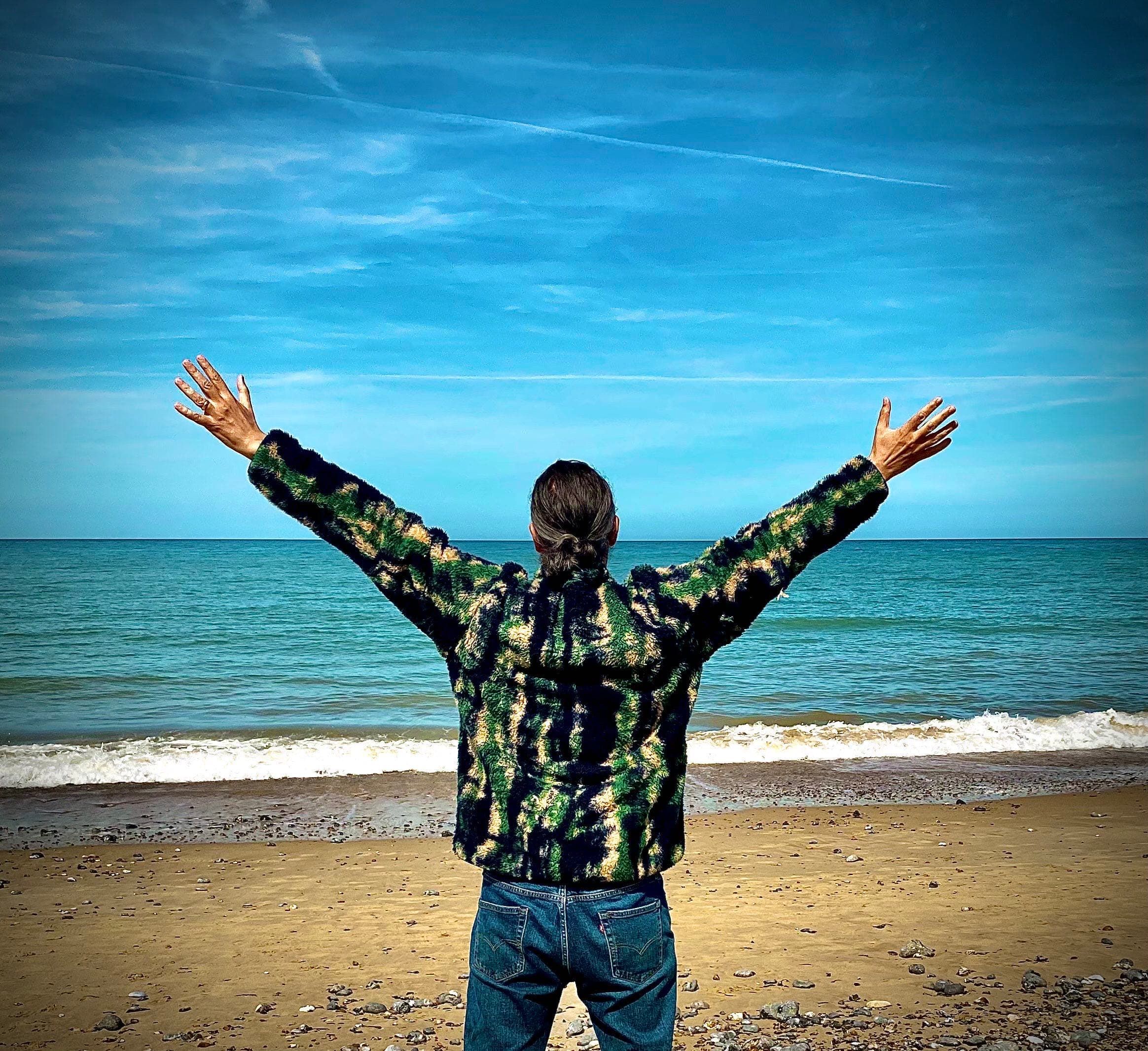
That experience is what brought me to train as a practitioner. I now offer 1-to-1 sessions from a private studio in East Barnet, EN4, North London, for people who are tired of only managing their symptoms and are now ready to let go of the stress causing them.

I was new to the practice of breathwork and have now experienced around ten sessions. For me, being safely guided through the experience was key, and David provided that nurturing space. The emotions that have arisen have often come with clear understanding of their source and have led to great relief, sometimes by the end of the session and sometimes during the days afterwards.
Clare
UK
What Does ‘Somatic’ Mean?
The word somatic comes from the Greek soma, meaning body. In the context of breathwork, somatic refers to practices that focus on physical sensation within the body, rather than using the mind to direct, count, or control the breath.
Somatic Breathwork works with the body’s own intelligence. The autonomic nervous system holds a vast store of fast, primitive responses that operate beneath conscious awareness. These responses cannot be accessed through logic or language alone.
Non-somatic breathwork practices – such as box breathing, Wim Hof, or mantra-based techniques – are mind-led. They use counting, visualisation, or mental control to direct the breath from the top down. Somatic Breathwork is led by the body: sensation guides the process, not the mind.
How Somatic Breathwork Differs from Other Approaches
Most breathwork and wellness tools aim to regulate the nervous system in the moment. Somatic Breathwork aims to resolve the underlying patterns that make regulation necessary in the first place.
Top-Down vs. Bottom-Up
Top-down approaches (talk therapy, CBT, box breathing) use the mind to influence the body. They work through language, logic, and conscious control. If you already feel like you are always in your head, you might struggle to get the most from this approach.
Bottom-up approaches (Somatic Breathwork, somatic experiencing) bypass the thinking mind and communicate directly with the nervous system through the body.
Many people understand and can explain their stress clearly, yet they still feel it strongly in their body. That gap exists because stress and trauma are also stored in the autonomic nervous system – the part of the system that language and logic cannot reach.
You cannot think your way out of a survival response.
State-Shifting vs. Baseline-Shifting
State-shifting tools (meditation apps, box breathing) help you feel calmer in the moment. They work on top of the existing stress pattern without changing it. Effects are temporary, but often extremely useful in life. e.g. box-breathing to calm yourself down before an important event.
Baseline-shifting – what Somatic Breathwork aims for – means accessing and resolving the underlying stress patterns so that the nervous system settles at a lighter, more regulated default. The trigger loses its charge, not just its surface impact.
Comparison: Breathwork and Therapy Approaches
| Method | Approach | Primary Goal | Effect on Nervous System |
|---|---|---|---|
| Box-breathing | Top-Down (mind-led) | Short term regulation | Calms the surface; leaves stress backlog intact |
| Talk Therapy / CBT | Top-Down (language/logic) | Cognitive understanding | Explains the stress story; limited access to autonomic system |
| Somatic Breathwork | Bottom-Up (body-led) | Baseline-shifting and resolution | Physiologically releases stored stress, expands Window of Tolerance |
Why Somatic Breathwork Reaches Where Words Cannot
Language and logic are processed in the prefrontal cortex. Survival stress and emotional memory are stored deeper in the brain and nervous system, in areas that do not use language. This is why it is possible to completely understand a problem and still feel unable to shift it.
Somatic Breathwork works by inducing a state of transient hypofrontality, a temporary quietening of the analytical mind through rhythmic breathing. When the prefrontal cortex becomes less dominant, the deeper parts of the nervous system can come forward and begin to complete the stress cycles they started years ago.
This is not a metaphor. It is a physiological process. People often experience it as tingling, temperature shifts, emotional release, or a sudden sense of lightness. These are signs of the nervous system finishing work it left incomplete.
The Nervous System Backlog
When a stressful event occurs and we are unable to fight or flee, the physical energy of that response stays in the body. It becomes an incomplete cycle running in the background, consuming energy and keeping the nervous system in a low-level state of alert.
Over years, these unfinished cycles accumulate. The result is often described as burnout, functional depression, emotional numbness, or a persistent sense of grey flatness in daily life. Things look fine from the outside, but something essential has gone quiet.
Somatic Breathwork does not require you to revisit the story of what happened. It works with where that stress is physically held in the body and allows the body to complete the cycle and let go.
David explained the process very clearly. I felt safe, knowing that he would hold the space for me whatever would unfold. The breathing technique came naturally, followed by a sense of deep inner peace and cleanliness. By the third session I had the sense that the breathwork had detoxed me physically and emotionally.
Dominique
UK
What Happens in a 1-to-1 Somatic Breathwork Session?
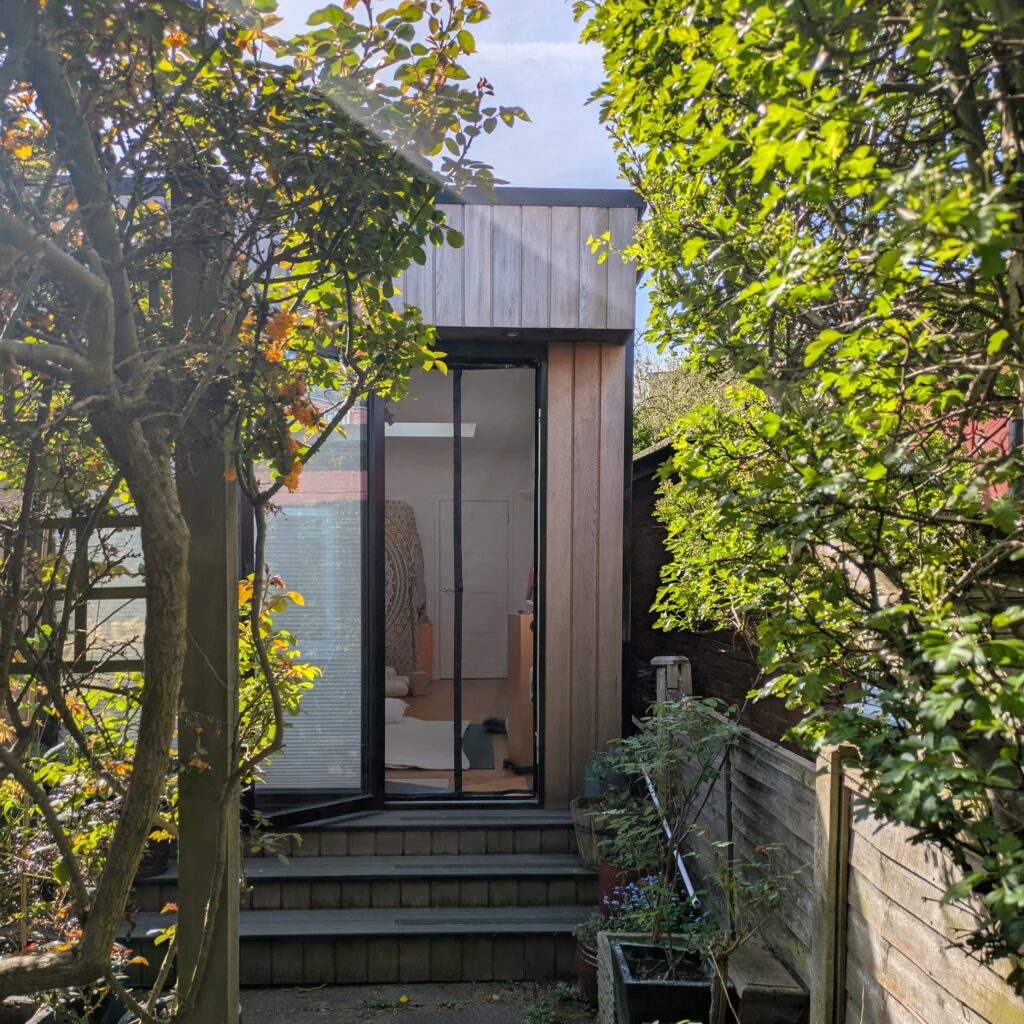
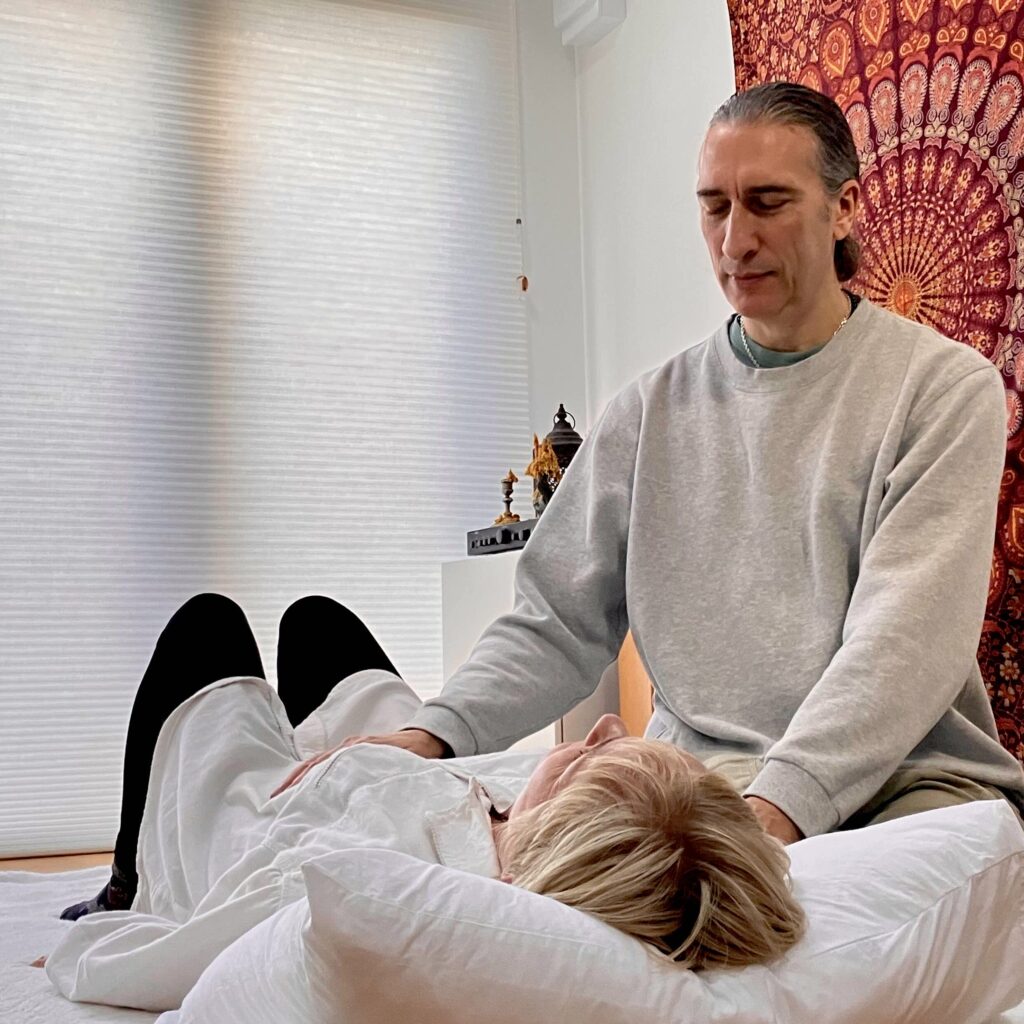
Sessions take place in my private, soundproofed garden studio in East Barnet, EN4, North London. The first session is 90 minutes, allowing time for me to explain the breathwork in full, covering everything you need to know about how it may feel and how to do the technique.. Subsequent sessions are 60 minutes.
Each session follows a clear structure:
Phase 1: Intake and Alignment
A short grounded conversation to understand what the nervous system is carrying that day. There is no need to provide a history or explain anything in depth. We set a clear intention to guide the direction of the breath.
Phase 2: The Conscious Breath (30 minutes)
You lie comfortably and breathe in a circular, connected pattern. This is the active integration phase. I monitor your nervous system’s responses in real time throughout.
- Trauma-informed pacing: the session adjusts if your system moves toward hyper-arousal (anxiety) or hypo-arousal (numbness)
- Acupressure: with your permission, targeted touch at acupressure points helps release physical holding in the fascia and muscles
- Tai Chi-informed presence: twenty years of daily Tai Chi practice informs how I hold the space and support integration
Phase 3: Integration (10 minutes)
A period of deep rest following the active phase. The nervous system recalibrates and begins to settle into its new baseline. Ideas, emotions, or realisations may surface quietly during this time.
Aftercare
Integration continues in the days after a session. I provide grounding guidance to support the shifts as they settle. Avoiding difficult commitments immediately after a session allows the work to take root more fully.

Session Prices
- Block of 6 sessions: £450 (£75 per session) – recommended for those new to Somatic Breathwork. Includes your initial 90-minute session.
- Block of 3 sessions: £270 (£90 per session)
Who Is Somatic Breathwork Suitable For?
Somatic Breathwork is particularly well suited to people who:
- Have tried talking therapies but find that understanding their stress has not shifted it
- Experience a persistent sense of emotional flatness, numbness, or disconnection
- Carry a high stress or anxiety load and find it difficult to fully switch off
- Are processing burnout, grief, or the aftermath of sustained pressure
- Are resistant to exploring feelings through conversation
- Want to improve their long-term capacity for emotional resilience and nervous system regulation
No prior experience with breathwork is required. The only requirement is the ability to breathe in a circular, connected pattern – something I explain fully in the first session.
Frequently Asked Questions
Is Somatic Breathwork the same as meditation?
No. Meditation typically involves quietening the mind. Somatic Breathwork is an active practice that works directly with the nervous system and body through the breath. Many people find it more accessible than meditation precisely because it does not require mental stillness: the breath gives the mind something to follow.
Is it similar to Wim Hof or other power breathing methods?
No. Wim Hof and similar methods use forceful breathing and breath-holds to deliberately stress the system and build stress tolerance. Somatic Breathwork works in the opposite direction: it softens the analytical mind so the body can safely release what it is already carrying. The goal is stress resolution, not stress tolerance.
For people already in a state of high-functioning burnout or nervous system overload, adding more stress – even beneficial stress – can deepen exhaustion. My approach is specifically designed to be restorative and trauma-informed.
Do I need to talk about my feelings or explain what I am carrying?
No. Somatic Breathwork is sometimes described as therapy without talking. There is no expectation to discuss anything. The body processes what it is ready to process at its own pace, without any story attached.
Is Somatic Breathwork safe?
For most people, yes. There are some conditions where it is not recommended, including severe asthma or respiratory conditions, heart disease or significant cardiovascular issues, epilepsy, a history of seizures, serious psychiatric conditions including psychosis or bipolar disorder, pregnancy (particularly the first trimester), and acute physical injuries.
If you have any health concerns, please mention them during the connection call before booking.
How many sessions will I need?
Many people notice significant shifts after one or two sessions. For a lasting change in nervous system baseline, I usually recommend an initial block of three to six sessions. This allows the work to build progressively rather than treating each session as a standalone event.
Where is the studio located?
My studio is a private, soundproofed garden space in East Barnet, EN4, North London. There is off-street parking and it is easily accessible from Barnet, Southgate, Arnos Grove, Enfield, Cockfosters, New Barnet, and Hadley Wood. Online sessions are also available for those who are not local or prefer to breathe from their home.
How to Book a Somatic Breathwork Session in North London
The first step is a free connection call. This gives you the chance to ask questions, understand whether Somatic Breathwork is right for you, and discuss what you are hoping to work on. There is no pressure or obligation.
Sessions are available in person at my EN4 studio in North London, and online for those who are not local or prefer to work from home.
I believe the best way to understand Somatic Breathwork is to experience it for yourself, so book a call today.